
Secondary Spill Containment Berms: The Power of MobileGuard
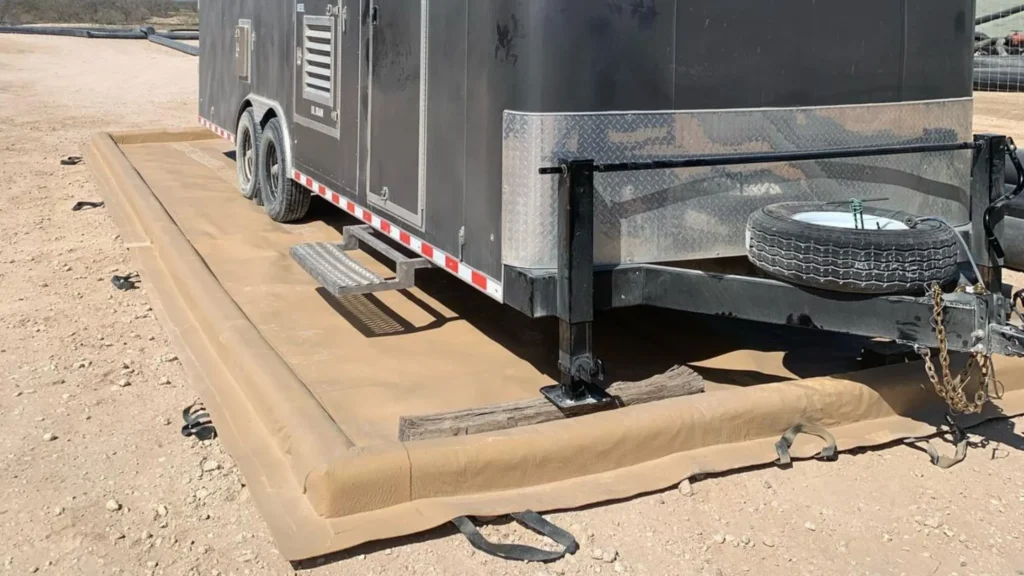
Secondary Spill Containment Berms: The Power of MobileGuard In today’s oil & gas and industrial environments, environmental risk management is more than a regulatory checkbox; it’s a core part of operational strategy. Tools like secondary spill containment berms play a critical role in preventing leaks and spills that can halt production, trigger costly remediation, or […]
The Hidden Costs of Skipping Oil and Gas Spill Protection: A Financial and Environmental Breakdown
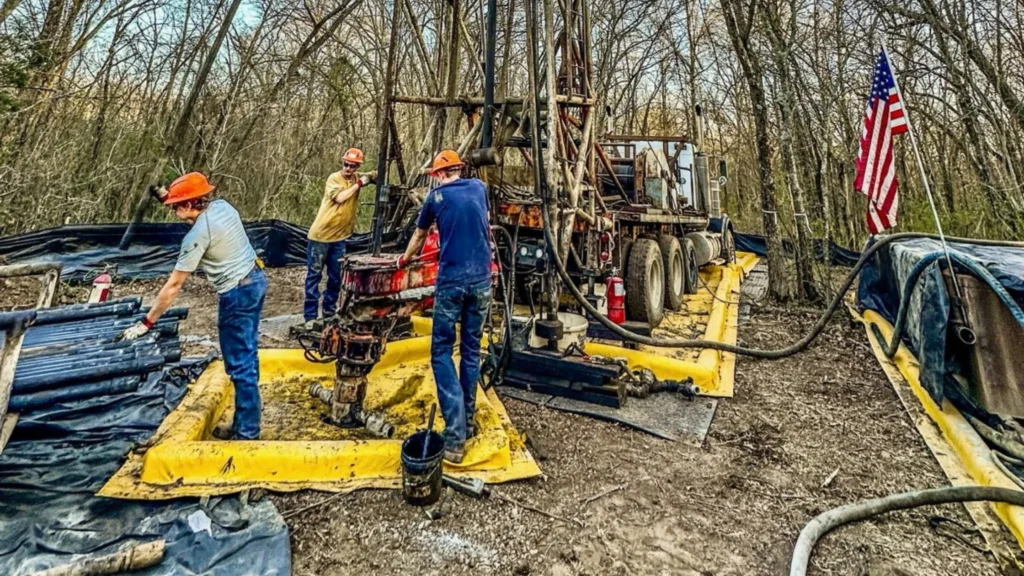
The Hidden Costs of Skipping Oil and Gas Spill Protection: A Financial and Environmental Breakdown In the high-stakes environment of upstream oil and gas operations, efficiency and safety are paramount. While spill containment might be perceived as a routine compliance measure, overlooking its importance can lead to significant financial losses and environmental damage. This article […]
A Guide to Surface-Mounted vs. Post-Driven Spill Containment Systems

A Guide to Surface-Mounted vs. Post-Driven Spill Containment Systems In the oil and gas industry, effective spill containment is critical to maintaining site safety, environmental protection, and operational continuity. A single containment failure can lead to significant environmental impact, unplanned downtime, and major financial consequences. That’s why secondary spill containment systems aren’t a one-size-fits-all decision. […]
Polyurea Coatings: The Ultimate Solution for Durability and Corrosion Resistance
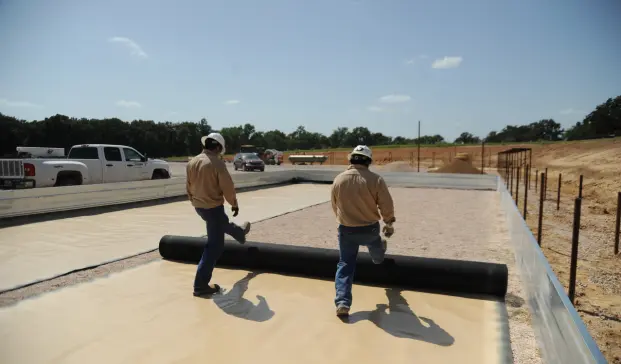
Polyurea Coatings: The Ultimate Solution for Durability and Corrosion Resistance Polyurea coatings have emerged as the preferred choice across industries demanding exceptional durability, corrosion resistance, and long-term protection—and it’s easy to see why. AssetGuard’s innovative product line includes GroundGuard, which leverages proprietary modified polyurea lining and coating technology to deliver unparalleled performance. Specifically designed for […]
The Importance of Secondary Containment Systems in Preventing Environmental Disasters
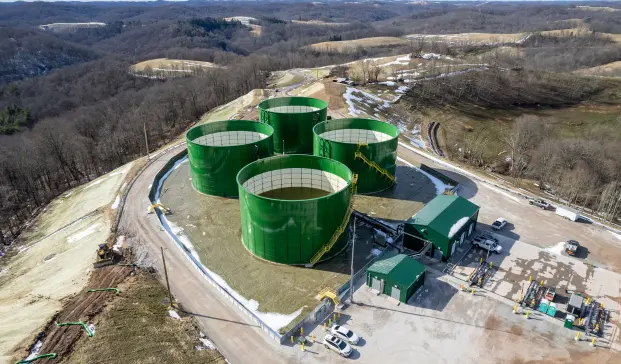
The Importance of Secondary Containment Systems in Preventing Environmental Disasters Protecting your site from environmental damage in the oil and gas industry isn’t just important—it’s essential. Secondary containment systems play a vital role in preventing spills and leaks from causing environmental harm while meeting EPA requirements. These systems serve three key purposes: safeguarding the environment […]